How Society Shapes Children's Lives
Society plays a profound role in shaping the identity, self-esteem, and mental well-being of children. From the moment they are born, children are exposed to societal norms, expectations, and judgments that can either uplift or burden them. The environment in which a child grows up significantly influences their personality, beliefs, and future success.
★ "Children are not things to be molded, but people to be unfolded." — Jess Lair
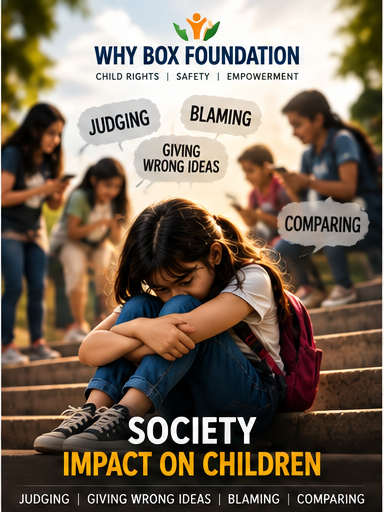
🏷️ Judging and Labeling
Children are often judged based on their academic performance, appearance, family background, and even their hobbies. These labels can stick with them for life, creating a fixed mindset rather than a growth mindset. When a child is constantly told they are "not good enough" or "too different," they may internalize these judgments and struggle with self-worth throughout their lives.
🎁 Giving and Expectations
Society often conditions children to believe that their value is tied to what they can "give" — whether it's good grades, trophies, or social approval. This creates a transactional view of self-worth, where children feel they must constantly perform to be loved and accepted. This pressure can lead to burnout and anxiety.
⚖️ Wrong Deals and Unfairness
Many children are exposed to unfair situations — biased teachers, bullying peers, or discriminatory policies. When society fails to protect children from these "wrong deals," it erodes their trust in authority figures and institutions. They may begin to believe that the world is inherently unfair, leading to cynicism and disengagement from social systems.
📊 Billing and Measuring Worth
In today's data-driven world, children are constantly "billed" — measured, ranked, and compared against their peers. From school rankings to social media likes, children are taught that their worth is quantifiable. This obsession with metrics creates immense pressure and anxiety, as children feel they are never "enough."
🔁 The Trap of Comparison
Comparison is one of the most damaging forces in a child's life. When society encourages constant comparison — whether through competitive exams, social media highlights, or parental pressure — children learn to measure their worth by how they stack up against others. This leads to jealousy, low self-esteem, and a distorted sense of self.
How WHY BOX FOUNDATION Helps
At WHY BOX FOUNDATION, we believe in breaking these harmful cycles. We work to:
- Create awareness about the negative effects of judging and labeling children.
- Promote unconditional acceptance — teaching children that they are valuable just as they are.
- Advocate for fairness in schools, communities, and institutions.
- Encourage self-worth that is not dependent on external validation or comparison.
- Provide safe spaces where children can share their experiences without fear of judgment.
Remember: Every child is unique, and their value cannot be measured by grades, likes, or societal standards. Your voice matters, and we are here to listen.